







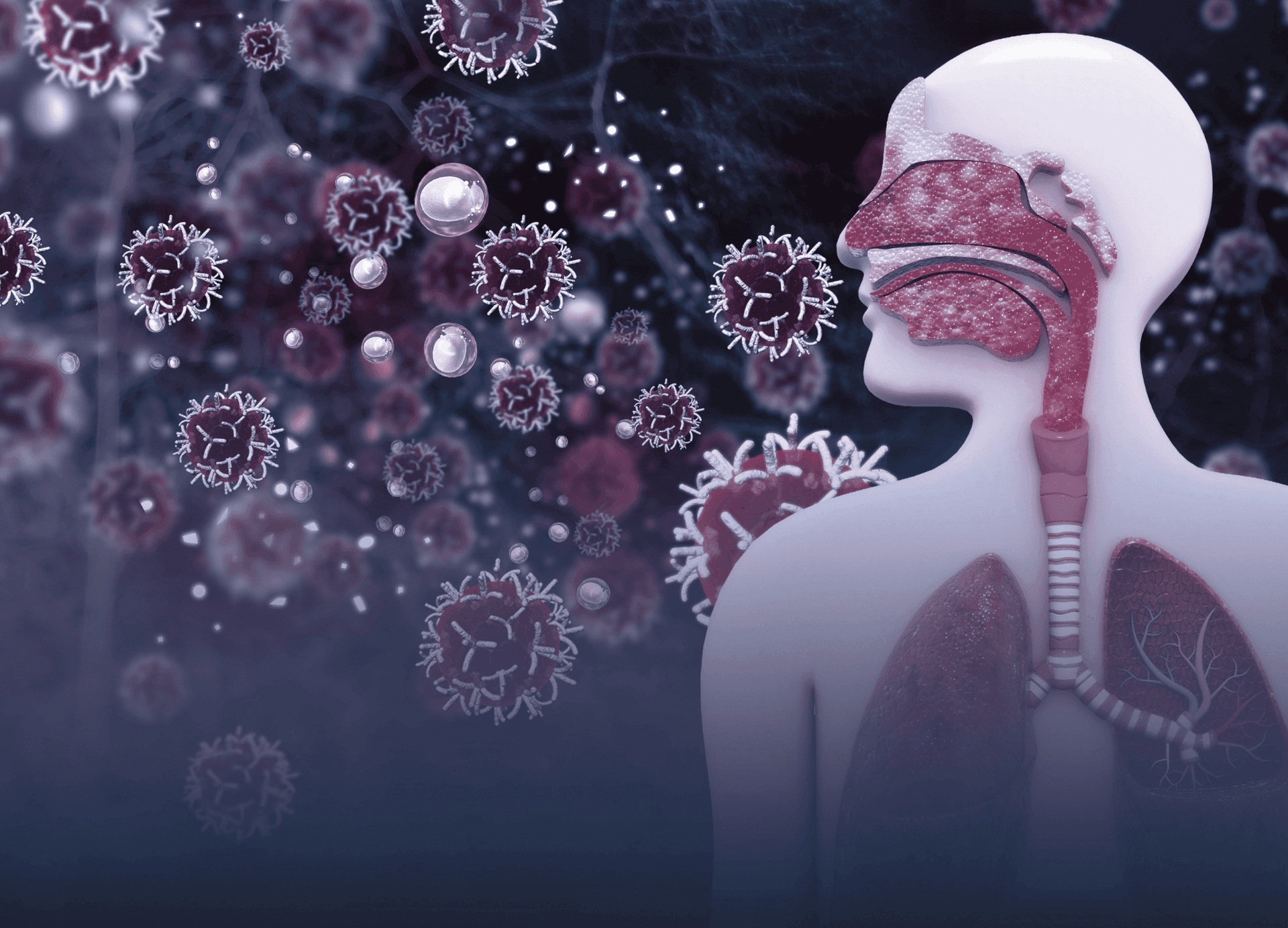
Are you interested in preventing infections and safeguarding patient health? Infection control nursing in Australia is a specialized nursing field that plays a critical role in hospitals, clinics, and public health programs.
For international students aiming to study nursing in Australia, infection control nursing offers a high-demand career with opportunities in acute care, public health, and research. This guide explains the key requirements, roles, and benefits of pursuing a career in infection control nursing.
What Is Infection Control Nursing?
Infection control nursing involves preventing, monitoring, and managing infections in healthcare settings. Nurses in this field work to ensure patient safety, maintain hygiene standards, and control outbreaks of infectious diseases.
Key Responsibilities Include:
- Monitoring infection trends in hospitals and clinics
- Implementing infection prevention protocols
- Educating staff and patients on hygiene and safety
- Managing outbreak responses in healthcare facilities
- Collaborating with public health departments
Why Infection Control Nursing Is Important in Australia
- Prevents hospital-acquired infections (HAIs)
- Ensures patient safety and quality care standards
- Supports public health initiatives and emergency preparedness
- Rising demand due to global health challenges, including pandemics
By enrolling in nursing courses in Australia with infection control placements, students gain hands-on experience and specialised skills that prepare them to work in hospitals, laboratories, and community health settings.
Benefits of Infection Control Nursing
1. High Demand & Job Security
Infection control nurses are essential across hospitals, aged care facilities, and public health agencies.
2. Competitive Salaries
- Graduate RN (Infection Control): AUD 65,000–$80,000
- Experienced nurse: AUD 85,000–$100,000
- Nurse Practitioner / Advanced Practice: AUD 110,000+
3. Career Advancement Opportunities
Specialization enables advancement to:
- Clinical Nurse Specialist (Infection Control)
- Nurse Educator or Trainer
- Public Health Consultant
- Research and Policy Advisor
4. Diverse Work Environments
Infection control nurses work in hospitals, laboratories, aged care facilities, community health programs, and government agencies.
5. Global Recognition
Australian infection control nursing qualifications are recognized internationally, allowing career mobility.
Steps to Pursue Infection Control Nursing
Step 1: Complete a Bachelor of Nursing
Start with a Bachelor of Nursing in Australia and obtain AHPRA registration as a Registered Nurse (RN).
Step 2: Gain Clinical Experience
Work in hospitals, infection control units, or community health programs to build practical skills.
Step 3: Postgraduate Specialization
Graduate Diploma or Master’s in Infection Control, Infection Prevention, or Advanced Nursing Programs provides specialized knowledge.
Step 4: Obtain Advanced Practice Recognition (Optional)
Apply for endorsement or advanced practice roles through AHPRA for leadership positions in infection control.
Step 5: Apply for Infection Control Roles
Seek positions in hospitals, public health departments, aged care facilities, or research institutions.
Career Outcomes & Future Scope
Popular Roles in Infection Control Nursing:
- Infection Control Registered Nurse
- Clinical Nurse Specialist (Infection Prevention)
- Nurse Educator or Trainer
- Public Health Advisor
- Researcher or Policy Consultant
Salary Expectations:
- Graduate RN: AUD 65,000–$80,000
- Experienced RN: AUD 85,000–$100,000
- Nurse Practitioner / Advanced Practice: AUD 110,000+
Future Scope:
- Increasing demand due to hospital infection control and public health needs
- Opportunities in hospitals, aged care, laboratories, and government programs
- Career growth in leadership, education, research, and policy-making
- International recognition and mobility for specialized nurses
Infection control nursing is a critical, rewarding, and in-demand field in Australia.
Unlock Your Future in Elderly Care Nursing
Infection control nursing in Australia offers a high-demand, impactful, and rewarding career path. By completing nursing courses in Australia and gaining specialised experience, international students can contribute to patient safety, public health, and infection prevention across healthcare settings.
Ready to specialize in infection control nursing? Explore accredited programs, clinical placements, and admission guidance at StudyNursing.com.au — your trusted partner in Australian nursing education.