







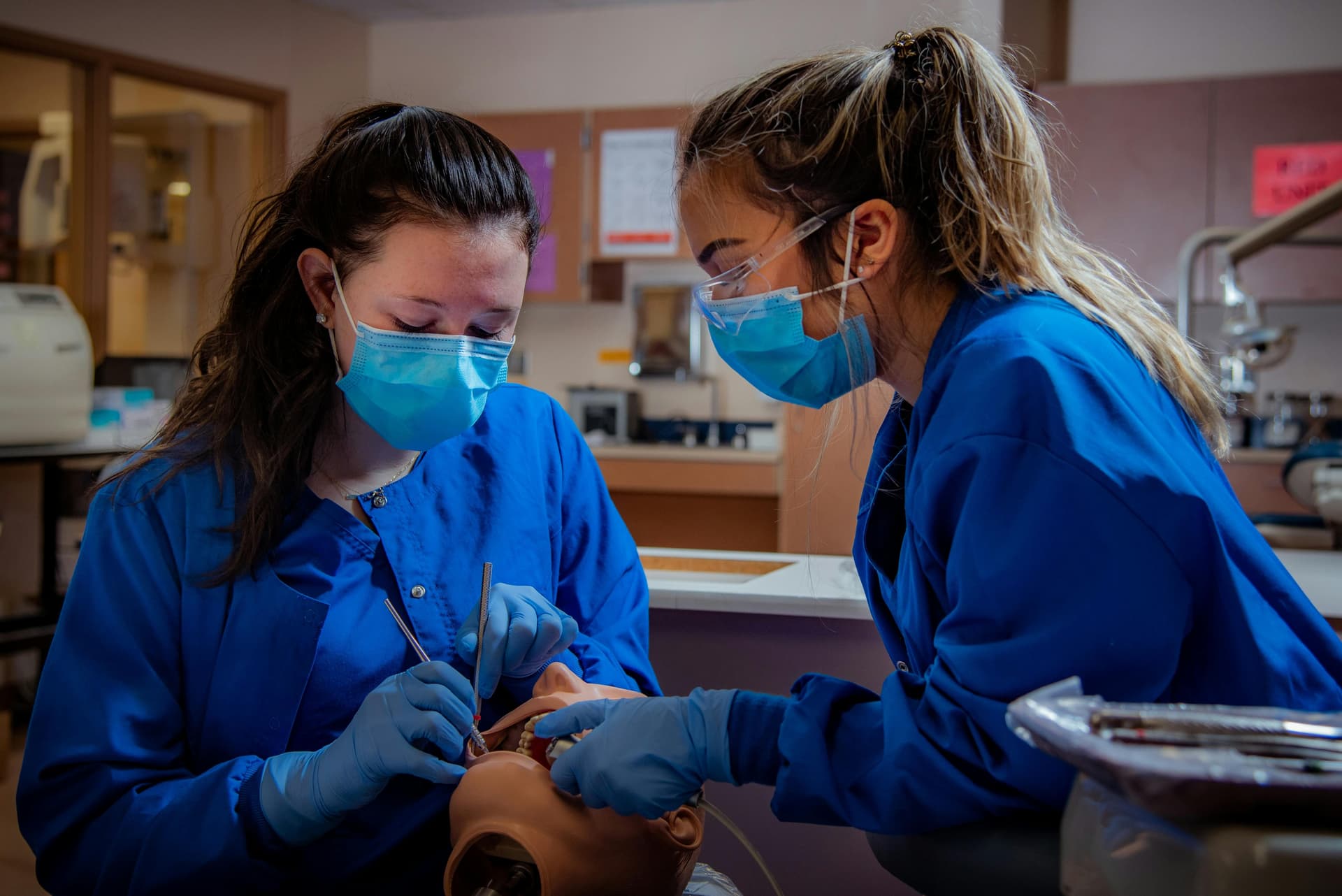
Are you a Nepalese student about to start nursing studies in Australia? Adapting to a new healthcare culture can be challenging but is essential for success in your studies and future career.
Australian healthcare emphasises patient-centred care, effective communication, and adherence to professional standards. This guide provides practical tips for Nepalese students to adapt to Australian healthcare culture, helping you thrive in clinical placements, build professional confidence, and achieve career success.
1. Understand the Australian Healthcare System
Before starting clinical placements, Nepalese students should familiarise themselves with the structure of the Australian healthcare system:
- Public and Private Sectors:
- Public hospitals are government-funded; private hospitals are fee-based
- Public hospitals are government-funded; private hospitals are fee-based
- Primary, Secondary, and Tertiary Care:
- Primary: GP clinics, community health
- Secondary: Specialist services
- Tertiary: Specialized hospitals for complex care
- Primary: GP clinics, community health
Tip: Understanding the hierarchy helps you know where to seek guidance and deliver care effectively.
Also Read: Clinical Placements in Nursing in Australia: What to Expect and How to Prepare
2. Embrace Patient-Centred Care
Australian healthcare places high emphasis on patient rights, safety, and autonomy:
- Always obtain informed consent before procedures
- Respect cultural, religious, and individual preferences
- Encourage patients to participate in their care decisions
Example: A patient may decline certain treatments due to personal beliefs — nurses must respect this while providing alternative options.
3. Improve Communication Skills
Effective communication is crucial in Australian nursing:
- Use clear, concise English for both verbal and written communication
- Practice active listening to understand patient needs
- Learn medical terminologies and documentation standards used in Australia
- Build rapport with patients and colleagues
Tip: Joining workshops, online courses, or peer study groups can improve professional communication.
4. Learn Professional Standards and Ethics
All nursing students in Australia must follow AHPRA and NMBA guidelines:
- Professional boundaries: Maintain appropriate nurse-patient relationships
- Confidentiality: Protect patient privacy and data
- Accountability: Take responsibility for your actions and decisions
- Cultural competence: Respect diverse patient backgrounds
Tip: Review AHPRA’s Code of Conduct and NMBA standards before starting clinical practice.
5. Adapt to Clinical Practices
Nepalese students may notice differences in clinical routines compared to Nepal:
- Evidence-Based Practice: Australian nursing emphasises research-backed interventions
- Team-Based Care: Collaboration with doctors, allied health staff, and other nurses
- Electronic Health Records: Familiarise yourself with hospital software and documentation
- Shift Work: Prepare for rotating shifts, weekends, and night duties
Tip: Seek guidance from mentors and preceptors during initial placements to adjust efficiently.
6. Build Professional Networks
Networking is key to adapting and growing in Australia:
- Join nursing associations like the Australian Nursing and Midwifery Federation (ANMF)
- Participate in workshops, seminars, and conferences
- Connect with senior nurses and mentors during clinical placements
Benefits: Access job opportunities, gain insights into local practices, and receive professional support.
7. Maintain Wellbeing and Resilience
Adapting to a new culture can be stressful. Nepalese students should:
- Manage time effectively between studies and clinical work
- Seek support services provided by universities for international students
- Practice self-care: exercise, healthy diet, mindfulness
- Build friendships with local and international students for social support
Tip: Mental health is as important as professional skills — never hesitate to ask for help.
8. Explore Part-Time Work and Volunteering
Working or volunteering in healthcare settings:
- Provides hands-on experience beyond clinical placements
- Enhances understanding of Australian patient care
- Helps improve communication and professional confidence
Note: Part-time work should not interfere with study commitments; students can work up to 48 hours per fortnight during semester.
Ready to study nursing in Australia and thrive in your career?
Adapting to Australian healthcare culture is a key success factor for Nepalese nursing students. By understanding the healthcare system, embracing patient-centred care, improving communication, following professional standards, and seeking mentorship, students can excel in both clinical placements and future nursing careers.
Explore accredited programs, clinical support, and cultural adaptation tips at StudyNursing.com.au — your trusted partner for international nursing education.