







Are you an Indian nursing student preparing to study in Australia and wondering how clinical placements work? Clinical placements are a critical part of nursing education in Australia, giving students hands-on experience in hospitals, aged care facilities, and community health centres.
For international students, including those from India, navigating placements can be challenging. That’s why most Australian nursing colleges provide clinical placement support, ensuring you gain the necessary experience to meet course requirements, graduate successfully, and qualify for RN registration with AHPRA.
This guide explains how clinical placement works in Australian nursing colleges, the support provided for Indian students, common challenges, and tips to maximize learning.
What Are Clinical Placements in Australian Nursing Programs?
Clinical placements are practical training periods where students work in real healthcare environments under supervision.
Key points about clinical placements:
- Required for Diploma, Bachelor, and Master of Nursing programs
- Usually 200–800 hours, depending on the program level
- Includes hospital wards, aged care, community health, mental health, and emergency units
- Supervised by qualified nurses or clinical educators
- Evaluated through performance assessments, reflection logs, and practical exams
Primary goal: To prepare students to provide safe, competent, and professional care as future nurses.
Why Clinical Placement Support Matters for Indian Students
International nursing students face unique challenges during placements:
- Cultural differences in patient interaction
- Communication barriers due to English language proficiency
- Understanding Australian healthcare protocols
- Time management during intensive placement schedules
- Navigating hospital systems and documentation
Australian colleges provide structured clinical placement support to address these challenges and ensure students succeed academically and professionally.
Types of Clinical Placement Support Offered
1. Pre-Placement Orientation
- Colleges provide orientation sessions covering hospital policies, patient safety, infection control, and documentation.
- Helps Indian students understand Australian healthcare culture and expectations.
2. Placement Coordination
- Colleges maintain partnerships with hospitals, clinics, and aged care facilities.
- Dedicated placement coordinators help assign students to suitable locations, considering course requirements and student needs.
3. Supervision and Mentoring
- Every student is assigned a clinical supervisor or preceptor.
- Supervisors guide students on practical skills, patient care, and documentation.
- Provides feedback and continuous evaluation throughout the placement.
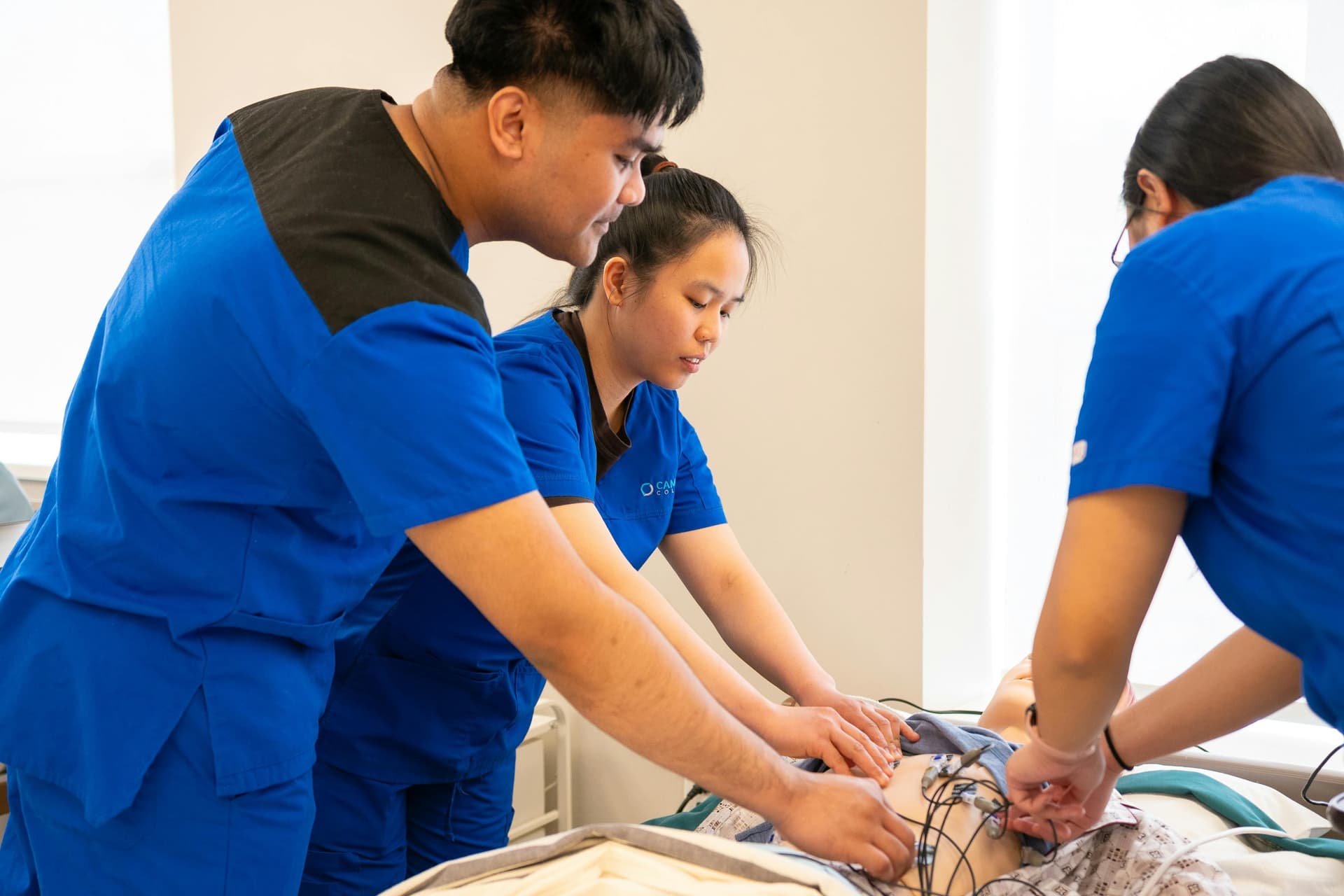
4. Skills Workshops and Simulation Labs
- Nursing colleges often offer simulation-based labs to practice clinical skills before real placement.
- Students can practice:
- IV insertion and medication administration
- Vital signs assessment
- Wound care and hygiene protocols
- Emergency response scenarios
5. Language and Communication Support
- Special sessions to improve English proficiency for clinical settings
- Focus on medical terminology, patient communication, and documentation writing
- Prepares Indian students to confidently interact with patients and healthcare teams
6. Placement Feedback and Assessment Guidance
- Students receive structured feedback to improve performance
- Guidance on completing clinical logs, reflective journals, and competency checklists
- Helps meet AHPRA registration requirements
How Colleges Help Indian Students Find Suitable Placements
1. Strong Hospital and Healthcare Networks
- Institutes collaborate with public hospitals, private clinics, and aged care facilities across Australia.
- Students are placed in diverse clinical environments, gaining exposure to different patient populations and specialties.
2. Dedicated Placement Office
- Assists with placement scheduling, transport, accommodation, and visa compliance
- Ensures students meet minimum clinical hours for course completion
3. Support During Difficulties
- If a student faces challenges during placement (language barriers, adjustment, stress), colleges provide:
- Counseling
- Peer support groups
- Extra mentoring sessions
Clinical Placement Tips for Indian Nursing Students in Australia
- Prepare in advance: Familiarize yourself with Australian healthcare practices and terminology.
- Practice English communication: Speak clearly with patients, colleagues, and supervisors.
- Be punctual and professional: Attendance and professional behavior are critical.
- Engage actively: Ask questions, observe procedures, and seek feedback.
- Maintain logs and reflections: Document all clinical experiences accurately.
- Use college support: Reach out to coordinators for help with placements, transport, or adjustment challenges.
Benefits of Strong Clinical Placement Support
1. Successful Graduation: Ensures students meet required clinical hours and skills.
2. Confidence in Practice: Helps Indian students adjust to Australian healthcare standards and patient care expectations.
3. Better Job Prospects: Completing placements in reputable hospitals boosts employability after graduation.
4. Easier RN Registration: Properly supervised clinical experience is critical for AHPRA registration.
5. Smooth Cultural Transition: Students adapt faster to local healthcare norms and multicultural workplaces.
Learn more about nursing courses in Australia to see how each college integrates clinical placement support.
Popular Clinical Placement Locations for Indian Students
- Public Hospitals: Royal Adelaide Hospital, The Alfred (Melbourne), Royal Brisbane & Women’s Hospital
- Private Hospitals: St John of God, Ramsay Health Care
- Aged Care Facilities: Bupa, Estia Health, Regis Care
- Community Health Centres: Local clinics in regional and metro areas
Start Your Nursing Career in Australia with Confidence
Clinical placements are a critical component of nursing education in Australia. For Indian students, robust clinical placement support — including mentoring, orientation, simulation labs, and hospital partnerships — ensures a smooth transition into Australian healthcare. By leveraging this support, students gain confidence, practical experience, and strong employment prospects after graduation.Studynursing.com.au supports Indian students in starting their nursing journey in Australia with confidence. Discover accredited nursing programs, strong clinical placement opportunities, and clear step-by-step admission guidance — all designed to help you transition smoothly into the Australian healthcare system and build a successful nursing career.
Ready to start your nursing journey in Australia?
Explore nursing programs, placement opportunities, and step-by-step admission guidance at StudyNursing.com.au — your trusted partner for international nursing education.