






Have you ever wondered why some nurses excel quickly in their Australian careers, build strong patient trust, and stand out to employers? While clinical skills matter, the real success of a nurse often comes from soft skills — the personal qualities and interpersonal abilities that make patient care safer, more compassionate, and more effective.
In Australia’s healthcare system, where teamwork, communication, and cultural diversity are central, soft skills are considered just as important as technical nursing knowledge. Whether you plan to study nursing in Australia, are already preparing for placements, or are entering your first job as a Registered Nurse, understanding these essential skills can dramatically improve your confidence and career growth.
This guide explains the top soft skills nursing graduates need in Australia, why they matter, how to develop them, and what employers look for in 2025 and beyond.
What Soft Skills Are Most Important for Nurses in Australia?
Australia’s hospitals, aged-care facilities, and community clinics place a high value on nurses who can communicate clearly, remain calm under pressure, and connect with patients from diverse cultures.
Here are the essential soft skills every nurse needs:
1. Communication Skills
Clear communication is the foundation of safe and effective nursing practice. Nurses must communicate with:
- Patients and families
- Doctors and specialists
- Allied health teams
- Aged-care and disability support workers
Good communication includes:
- Active listening
- Explaining procedures simply
- Asking the right questions
- Documenting accurately
This skill prevents mistakes, reduces patient anxiety, and ensures smooth teamwork in fast-paced clinical environments.
2. Empathy and Compassion
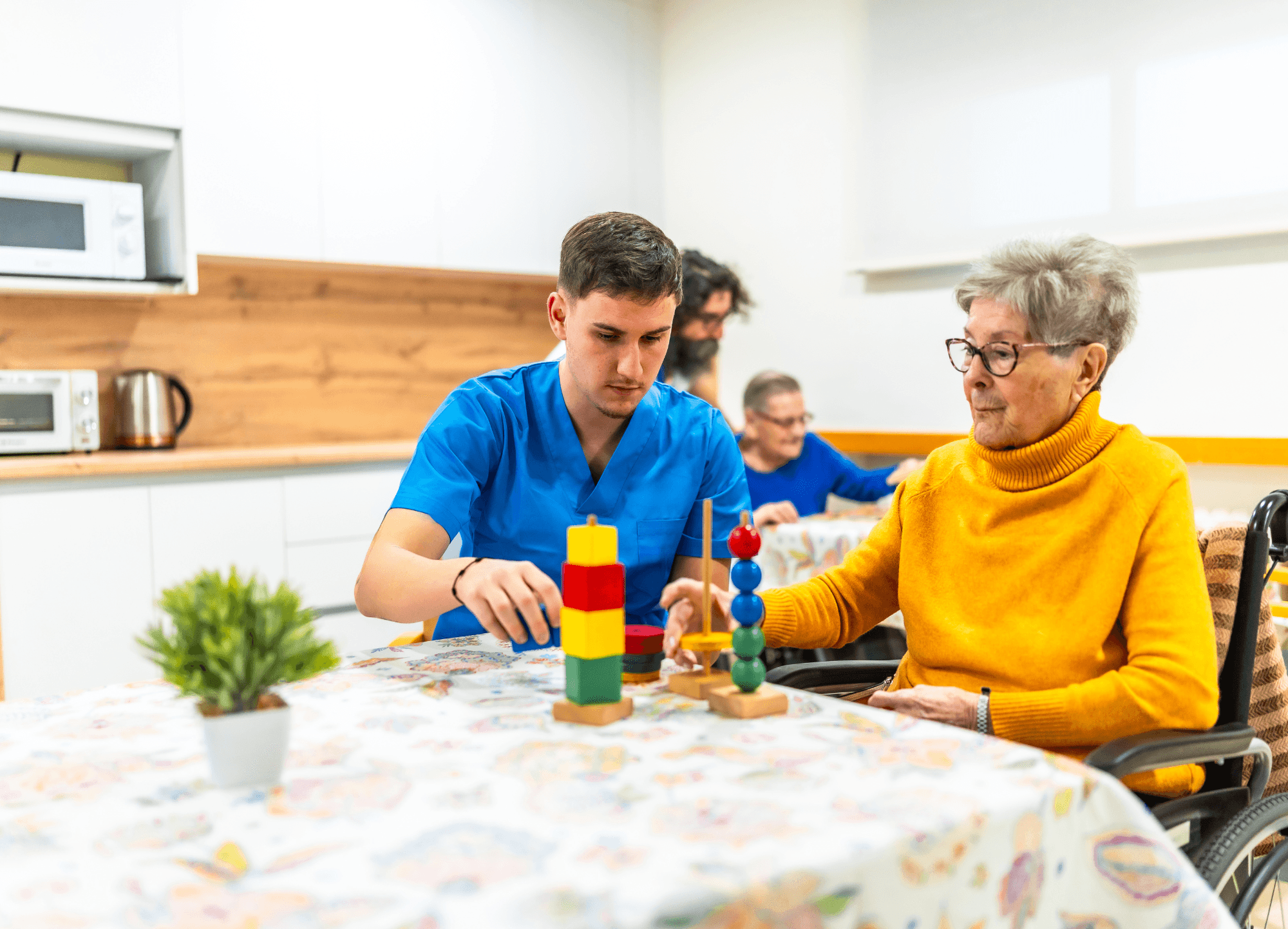
Australian healthcare strongly emphasizes patient-centred care. Nurses must understand a patient’s emotional and physical needs, especially in fields like aged care, mental health, pediatrics, and palliative care.
Empathy helps nurses:
- Build trust
- Support vulnerable patients
- Deliver respectful, ethical care
- Improve patient recovery and satisfaction
3. Teamwork and Collaboration
Nurses rarely work alone. Instead, they collaborate daily with multidisciplinary teams.
Strong teamwork skills allow you to:
- Share responsibilities
- Support colleagues
- Coordinate care plans
- Handle emergencies more effectively
Healthcare settings value nurses who communicate well, support their team, and help create a positive environment.
4. Critical Thinking and Problem-Solving
Nurses must often make quick decisions, especially in emergency, ICU, and surgical settings.
Critical thinking includes:
- Analysing patient symptoms
- Prioritising tasks
- Identifying risks
- Acting quickly and safely
Australian nursing education trains students to think independently and use clinical reasoning — a skill tested heavily during placements.
5. Cultural Competence
Australia is one of the world’s most multicultural countries. Nurses interact daily with patients from diverse backgrounds, languages, and religions.
Cultural competence includes:
- Respect for all cultures
- Understanding communication differences
- Providing non-judgmental care
This skill is essential for international students who plan to study nursing or work in multicultural healthcare settings.
6. Time Management and Organization
Hospitals in Australia are fast-paced and highly structured. Nurses need to manage multiple tasks at once, such as:
- Administering medications
- Monitoring vital signs
- Assisting with procedures
- Updating notes
- Communicating with families
Good organization helps reduce stress and maintain high-quality care.
7. Emotional Resilience
Nursing can be emotionally demanding.
Resilience helps nurses:
- Cope with workload pressures
- Stay calm during emergencies
- Maintain professionalism under stress
- Handle challenging patient situations
Australian employers increasingly value emotionally intelligent nurses who can manage stress effectively.
8. Adaptability and Flexibility
Healthcare conditions change rapidly. Nurses must adjust to:
- New technologies
- New procedures
- Changing patient conditions
- Unexpected workloads
Adaptability ensures you stay confident and efficient, especially during placements or the early stages of your career.
Why Soft Skills Matter for Nursing Graduates in Australia
Soft skills are not “extra”—they are essential to becoming a competent and confident nurse.
1. Better Patient Outcomes
Clear communication and empathy reduce errors and help patients recover faster.
2. Improved Job Performance
Nurses who manage stress, think critically, and adapt quickly perform better during shifts, especially in challenging areas like emergency care.
3. Higher Employability
Australian employers prioritize nurses with strong interpersonal skills.
Good soft skills:
- Increase hiring chances
- Help you succeed in interviews
- Build long-term career stability
4. Stronger Professional Relationships
Teamwork and collaboration help nurses work harmoniously with colleagues and build a supportive workplace environment.
5. Faster Career Advancement
Soft skills are essential for leadership roles such as:
- Nurse Unit Manager
- Clinical Nurse Specialist
- Nurse Educator
- Team Leader
How to Develop These Soft Skills as a Nursing Student
Developing strong soft skills doesn’t happen overnight. Here’s how you can build them while studying nursing in Australia:
1. Engage Actively During Clinical Placements
Clinical placements are the best environment to practice communication, teamwork, and critical thinking.
Take initiative. Ask questions. Volunteer for tasks.
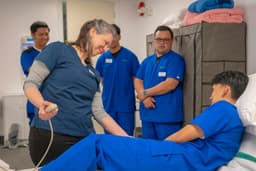
2. Participate in Group Activities and Simulations
Australian nursing programs use simulation labs to teach real-life scenarios.
These sessions help you:
- Handle emergencies
- Practice communication
- Develop confidence
3. Ask for Feedback from Supervisors
Constructive feedback helps you improve.
Clinical facilitators in Australia are trained to coach students on both soft and technical skills.
4. Improve Your English and Communication Skills
Simple things help:
- Speaking with classmates
- Practising medical terminology
- Writing assessments clearly
- Watching Australian healthcare videos
Clear communication is essential across all nursing roles.
5. Build Emotional Intelligence
You can develop emotional resilience through:
- Journaling
- Reflective practice
- Mentorship programs
- Mindfulness exercises
These strategies help you manage stress and improve patient care.
6. Embrace Cultural Diversity
Interact with people from different cultures to understand their values and beliefs.
This prepares you for Australia’s multicultural healthcare setting.
Career Outcomes for Nurses with Strong Soft Skills in Australia
Soft skills can open doors to advanced and well-paid nursing roles.
High-Demand Nursing Roles Where Soft Skills Matter Most
- Aged-care Nurse
- Mental Health Nurse
- Community Health Nurse
- Emergency Nurse
- Paediatric Nurse
- Palliative Care Nurse
- Nurse Educator
- Clinical Nurse Specialist
Salary Range in Australia (Approx.)
- Graduate Registered Nurse: AUD 70,000–85,000
- Experienced RN: AUD 85,000–110,000
- Clinical Nurse Specialist: AUD 100,000–120,000
- Nurse Educator / Nurse Unit Manager: AUD 110,000–135,000
Migration Pathway
Nursing remains one of Australia’s strongest migration-friendly occupations, with opportunities across:
- Skilled visas
- State nomination
- PR pathways
Soft skills can help nurses succeed in interviews, workplace assessments, and employer-sponsored opportunities.
Begin Your Journey with StudyNursing.com.au
Soft skills are essential for nursing graduates who want to succeed in Australia’s fast-paced and multicultural healthcare system. Whether you're studying nursing in Australia or preparing for your first role, developing skills like communication, empathy, teamwork, and resilience can significantly boost your confidence, performance, and long-term career growth.
Ready to begin your nursing journey in Australia? Explore accredited programs, admission guidance, and career pathways at StudyNursing.com.au — your trusted partner in nursing education abroad.