






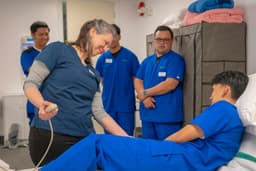

For Sri Lankan nursing graduates Australia, transitioning from clinical placements to paid nursing roles is a critical step. Understanding the support available, regulatory requirements, and employment pathways can help you secure a successful start to your nursing career.
This guide breaks down the key job support structures, visa options, and tips to maximize career opportunities after graduation.
1. Regulatory & Registration Support
AHPRA / NMBA Registration
To work as a nurse in Australia, international graduates must register with the Nursing and Midwifery Board of Australia (NMBA) through AHPRA.
English & Background Checks
All graduates must meet registration standards, including:
- English language proficiency
- Criminal record checks
- Health assessments
Graduate Nurse Programs
Many hospitals offer graduate nurse programs (or “new grad programs”) to support nurses in transitioning to full-time roles. Programs typically include mentorship, rotations, and structured professional development.
GradConnect Program
In some states, like Western Australia, programs such as GradConnect help internationally-qualified nurses secure positions in hospital graduate programs.
2. Employment & Visa-Sponsored Pathways
Traineeship Visa (Subclass 407)
Organizations like MWT Australia offer traineeship visa pathways for enrolled or registered nurses. These programs allow international graduates to gain work experience in hospitals or aged care settings.
RN Success Program
The RN Success Program helps internationally qualified nurses transition to Registered Nurse roles with visa sponsorship options, including Subclass 482.
Post-Study Work & Permanent Residency Pathways
Nursing is frequently listed on Australia’s skilled occupation lists, providing potential pathways to Permanent Residency (PR).
- Temporary Graduate Visa (Subclass 485) allows graduates to work after completing their studies
- Skilled visas (Subclass 189, 190, 491) may become available with relevant work experience
3. Financial & Placement-to-Work Support
Placement Payment
From July 2025, eligible nursing students may receive a weekly allowance during mandatory clinical placements.
Bridging Programs
For nurses whose qualifications are not directly recognised in Australia, bridging programs (like MWT RN Bridging Program) support both registration and professional development.
4. Challenges & Risks to Be Aware Of
- Competition for Graduate Programs: Not all international graduates secure graduate nurse positions. Consider applying to aged care, regional hospitals, or healthcare agencies.
- Perception of Inexperience: Lack of Australian work experience can sometimes affect employability.
- Visa & Sponsorship Variability: Not all employers sponsor visas; rural or regional hospitals may be more open to sponsorship.
- Registration Delays: NMBA registration processing times can affect your start date in paid roles.
5. Tips for Sri Lankan Nursing Graduates to Maximize Job Support
- Network During Clinical Placements: Build relationships with supervisors, nurse unit managers, and staff; express early interest in permanent roles.
- Apply Broadly: Don’t limit applications to big city hospitals. Consider aged care, regional hospitals, or entry-level roles like Assistant in Nursing (AIN) or Enrolled Nurse (EN).
- Prepare Registration Early: Submit NMBA/AHPRA registration applications in advance; ensure all documents are ready. Use bridging programs if needed.
- Leverage Visa Pathways: Explore Traineeship Visa (407) options and plan your post-study visa (Subclass 485) for career continuity.
- Prepare for Graduate Nurse Programs: Apply early, tailor resumes to highlight clinical placement experience, and emphasize skills gained.
- Financial Planning: Placement payments may not cover all costs; consider part-time work where permitted and budgeting strategies.
Why This Is Attractive for Sri Lankan Nursing Graduates
- Structured Career Start: Graduate programs and traineeship pathways provide mentorship, rotations, and professional growth.
- Work Experience & Registration: Convert academic training into practical experience and achieve Australian registration.
- Migration Potential: Skilled nursing is in demand, supporting potential PR pathways in regional or high-need areas.
- Skill Development: Exposure to well-resourced hospitals and healthcare systems enhances clinical competency and global employability.
Final Thoughts
For Sri Lankan nursing graduates in Australia, the transition from clinical placements to full-time nursing roles is supported through structured programs, visa pathways, and professional networks. By planning registration, leveraging graduate programs, and exploring visa options, graduates can successfully start a rewarding career in Australia’s healthcare sector.
For guidance on course selection, clinical placements, registration, and post-study employment, platforms like StudyNursing.com.au provide comprehensive support tailored for international nursing students.