







Introduction
Are you passionate about teaching future nurses and shaping the quality of healthcare in Australia? If you’ve ever wondered how to become a nurse educator in Australia, you’re exploring one of the most respected and impactful roles in the nursing profession. Many international students who study nursing in Australia eventually choose this path because it combines clinical expertise with academic leadership.
Whether you want to lecture at a university, train nurses in a hospital, or guide students during clinical placements, this guide explains everything you need to know — qualifications, training pathways, required experience, and future career opportunities. Understanding the full pathway early can help you plan your education journey more effectively.
What Does a Nurse Educator Do?
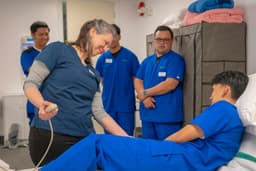
Nurse educators are specialized professionals responsible for preparing the next generation of nurses. They work across hospitals, universities, TAFEs, and private healthcare organizations to design curriculum, teach clinical skills, and support staff training.
Key responsibilities include:
- Teaching nursing students in the classroom or simulation labs
- Delivering clinical education in hospitals and aged-care settings
- Designing training programs for new nurses
- Assessing student performance and clinical competency
- Contributing to curriculum development and academic research
Where do nurse educators work?
You can find nurse educators in:
- Universities offering Bachelor of Nursing programs
- Hospitals and clinical training centres
- Aged-care facilities
- Vocational colleges
- Private nursing institutions
Why this role matters
Australia’s healthcare system relies on highly skilled nursing educators to maintain high standards of patient care. With ongoing nursing shortages across the country, skilled educators are in demand to train new graduates quickly and effectively.
Required skills:
To succeed, aspiring nurse educators must demonstrate:
- Strong communication and teaching abilities
- Clinical expertise and leadership
- Curriculum planning skills
- Research and academic writing capability
- Empathy and patience when mentoring students
Because the role combines academic and clinical responsibilities, most employers require advanced qualifications such as a Master of Nursing or equivalent — making it one of the top pathways under Advanced Nursing Programs Australia.
Benefits of Becoming a Nurse Educator in Australia
Becoming a nurse educator opens doors to a rewarding, stable, and influential career in nursing. Here are the top benefits:
High job demand
Australia is experiencing continuous nursing shortages, increasing the need for experienced educators in universities and hospitals.
Competitive salaries
Nurse educators typically earn between $95,000 and $120,000 per year depending on location, experience, and level of responsibility.
Leadership and influence
You contribute directly to raising the quality of nursing care nationally by training future healthcare workers.
Flexible work environments
Many educators work in academic settings with:
- Regular working hours
- Research opportunities
- Less high-pressure clinical work
Pathways for academic advancement
After gaining experience as a nurse educator, you can progress into roles such as:
- Senior lecturer
- Course coordinator
- Academic researcher
- Director of nursing education
If you want to explore programs that help you transition into this career, you can learn more about nursing courses in Australia and relevant postgraduate pathways.
How to Become a Nurse Educator in Australia
Here is the step-by-step pathway to becoming a nurse educator:
1. Complete a Bachelor of Nursing
This is the foundational qualification to become a Registered Nurse (RN) in Australia.
2. Register with AHPRA
You must be a fully licensed RN to practice or teach nursing.
3. Gain 2–3 years of clinical experience
Most institutions require strong hands-on nursing experience before transitioning into teaching.
4. Complete a postgraduate qualification
To teach at university or hospital level, you will typically need:
- Graduate Certificate in Clinical Education or
- Master of Nursing (Education)
Many universities offer specialised Nursing Education Australia streams at the postgraduate level.
5. Apply for educator roles
You can work in:
- Hospitals
- Aged-care centres
- TAFE and vocational colleges
- Universities
6. Consider pursuing further research
If you want a career in academia, a PhD in Nursing or Master of Research opens pathways to becoming a senior lecturer or researcher.
Career Outcomes & Future Scope
The future for nurse educators in Australia is extremely strong. With thousands of new nurses entering the workforce each year, educational institutions urgently need trained educators, clinical facilitators, and nursing lecturers.
Where you can work:
- Public and private universities
- Registered Training Organisations (RTOs)
- Teaching hospitals
- Community health services
- Aged-care training centres
Salary growth
Entry-level nurse educators earn around $95,000, but senior lecturers and program coordinators can earn $120,000–$140,000+ annually.
Migration opportunities
Nurse educators are consistently in demand and often appear on skilled migration lists. International graduates with a Master of Nursing or relevant postgraduate qualification may have pathways to long-term residency.
International recognition
Australian teaching and nursing qualifications are globally respected, allowing educators to find opportunities in New Zealand, the UK, and the Middle East.
Build a High-Growth Nursing Career in Australia
Becoming a nurse educator in Australia is an excellent choice for nurses who enjoy teaching, mentoring, and shaping the next generation of healthcare professionals. With strong demand, competitive salaries, and clear career pathways through postgraduate study, this profession offers long-term stability and meaningful impact.
Ready to start your journey into nursing education?
Explore accredited programs, admission support, and postgraduate pathways at StudyNursing.com.au — your trusted partner in nursing education abroad.