







One of the most important—and sometimes most challenging—parts of studying nursing in Australia is the clinical placement. For Malaysian nursing students, understanding how the Australian clinical placement system works before arrival is essential for planning, budgeting, and academic success.
This guide explains how clinical placements in Australia work, the required clinical hours, key compliance rules, and practical tips specifically for Malaysian students.
What Is a Clinical Placement?
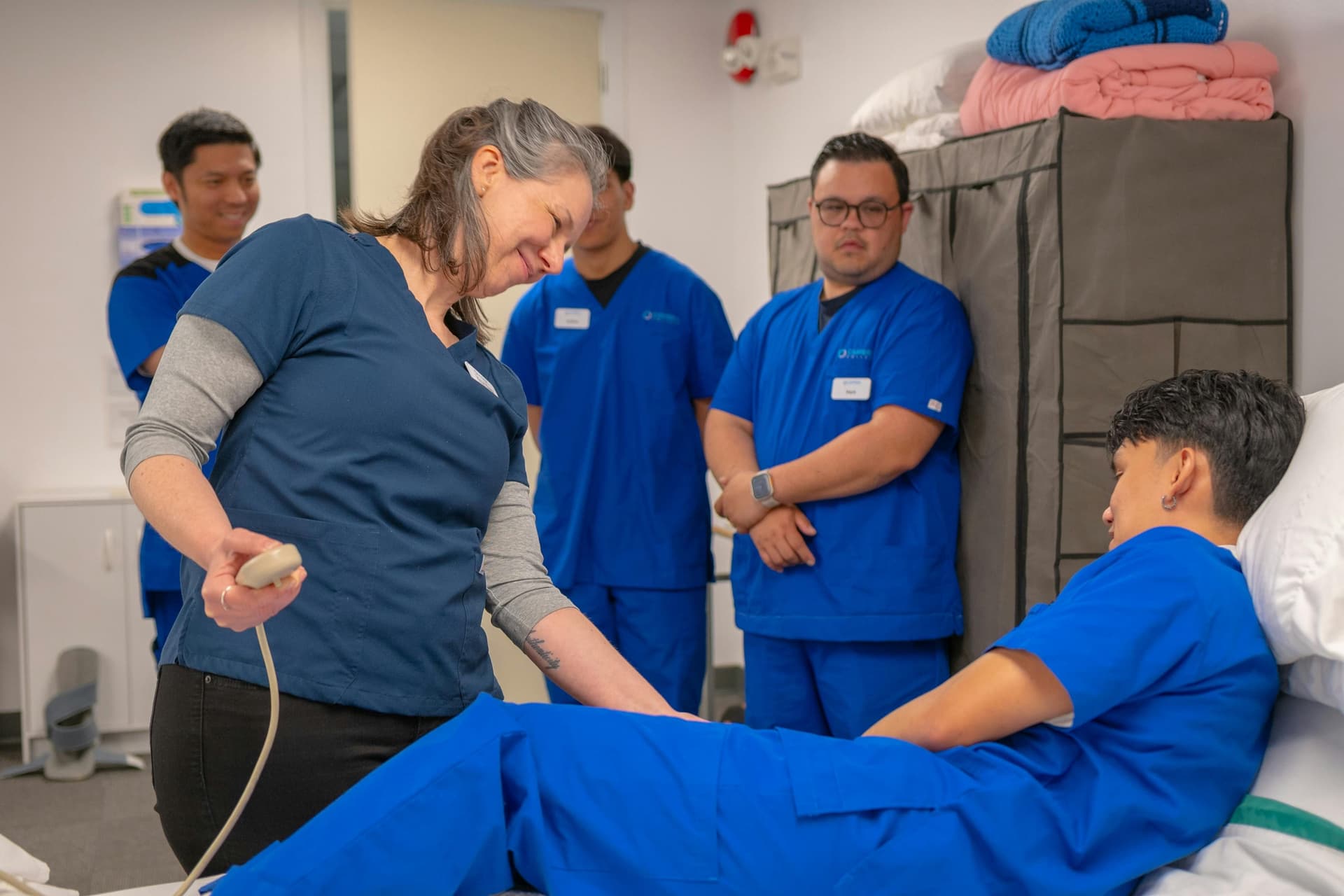
A clinical placement (also known as clinical practicum, work-integrated learning (WIL), or clinical practice) is a compulsory part of Australian nursing education where students work in real healthcare settings under supervision.
- Placements occur in hospitals, aged-care facilities, community health centres, and regional clinics
- They are unpaid and form part of your academic assessment
- Students cannot arrange their own placements
Placements are coordinated by institutions or organisations such as Australian College of Nursing, ensuring national standards are met.
Regulatory Requirements & Clinical Hours
To meet accreditation and registration standards in Australia:
- Most Bachelor and Master of Nursing programs require a minimum of 800 clinical placement hours
- Some universities exceed this minimum depending on curriculum design
- Diploma programs may require fewer hours, but aged-care placements are still mandatory
These hours are required for future registration with Australian Health Practitioner Regulation Agency (AHPRA).
Missing hours without approval can delay graduation or lead to course failure
How Clinical Placements Are Structured
1. Block Placements
Most Australian universities use block placements, meaning:
- Full-time shifts for 2–6 consecutive weeks
- Shifts may include weekends, nights, and public holidays
- Students are often advised not to work part-time during placement blocks
Some universities formally require students to stop paid work during full-time placements.
2. Scheduling & Allocation
- Placements may occur outside standard semesters
- Allocation is handled by a Clinical Learning Office or WIL unit
- Students must complete pre-placement compliance checks before allocation
You cannot choose your hospital, city, or ward.
Supervision, Assessment & Insurance
Supervision
- Students are supervised by Registered Nurses (RNs) or clinical facilitators
- Many universities use a preceptor model (1-to-1 nurse mentorship)
Assessment
- Performance is assessed against national nursing standards
- Professional conduct, communication, and patient safety are critical
Insurance
- Students are usually covered under university insurance during placement
Types of Clinical Placement Settings
Malaysian students may rotate through:
- Public & private hospitals
- Aged care facilities (very common)
- Community health clinics
- Rural and regional hospitals
- Specialty areas (mental health, ICU, critical care – usually postgraduate)
Rural placements often provide broader hands-on exposure and fewer students per ward.
Pre-Placement Compliance Requirements
Before starting placement, students must usually complete:
- Student registration (via AHPRA)
- Immunisation records & health screening
- Police check / Working With Children Check
- Inherent requirements declaration (physical, behavioural, cognitive capacity)
Incomplete compliance = no placement allowed
Challenges for Malaysian Nursing Students
- Unpaid placement weeks → financial pressure
- Travel & accommodation costs for regional placements
- Long shifts and fatigue
- Limited supervision in some facilities
- Strict attendance rules — missed shifts must be made up
Planning ahead is essential.
Also Read: Career Opportunities for Nursing Graduates in Australia
Tips for Malaysian Students to Succeed in Clinical Placements
Start Early
- Contact your university’s placement office immediately after enrolment
- Begin compliance checks months in advance
Plan Financially
- Budget for unpaid weeks
- Save for travel, accommodation, meals, and transport
Be Flexible
- Accept regional or off-semester placements
- These often offer better learning exposure
Network Professionally
- Treat every placement as a job interview
- Supervisors can become referees
Track Your Hours
- Keep a personal logbook
- Understand attendance and documentation rules
Why Clinical Placements Matter So Much
Mandatory for AHPRA registration
Improve employability after graduation
Build real-world nursing skills
Increase confidence and professional readiness
For international students, clinical performance often matters more than grades when seeking jobs.
Clinical Placement: The Heart of Nursing Education
For Malaysian nursing students, clinical placement is the core of nursing education in Australia. While it comes with challenges—unpaid time, long hours, travel—it is also where students gain the skills, confidence, and professional networks needed to succeed.
Understanding the clinical placement system in Australia early allows you to plan financially, comply smoothly, and make the most of every placement opportunity.